Published on: August 1, 2026
What to Expect from Ayurvedic Care During Lung Cancer Treatment
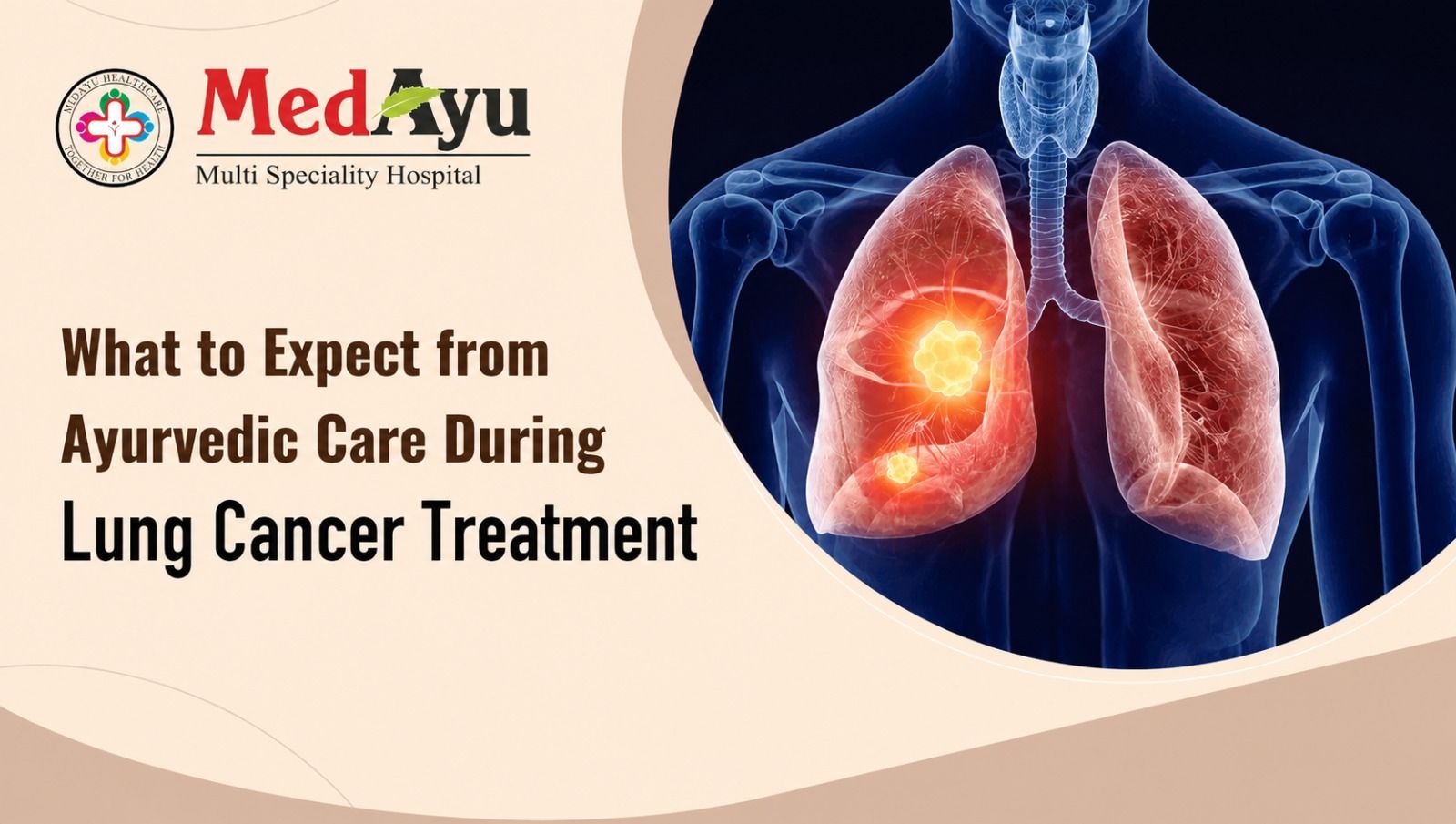
Lung cancer is of course a heavy diagnosis for both body and mind of the patients. On top of traditional cancer treatments like chemotherapy, radiation therapy, targeted therapy, immunotherapy, or surgery, many people look for other ways to care for themselves and improve their well-being. The best Ayurvedic treatments these days are mainly being referred to as complementary care that emphasizes whole body healing and improvement of patients living conditions during cancer treatment. A traditional Indian medicine system Ayurveda cannot cure lung cancer, but it might assist the body's regeneration, ease treatment side effects and generally enhance health if patients take it as advised by well-trained experts.
Figuring out what you may get from the best Ayurvedic Care During Lung Cancer Treatment would definitely make it easier for patients and their families to decide how to go forward. Instead of substituting conventional cancer treatments, the best Ayurvedic care complements them through helping the patient's body to maintain the balance, promoting good digestion, boosting strength and immunity, controlling stress, and supporting emotional and physical well-being, not only in general but also during treatments. If used appropriately with scientifically grounded medical care, the best Ayurvedic treatments may offer some extra comfort and support to patients as they undergo their cancer treatments.
Understanding the Ayurvedic Approach
Ayurveda, the science of life, is a holistic medical practice that focuses on restoring the balance of the three bodily energies (Vata, Pitta, and Kapha) to bring about healthy condition of the body. When the three energies Vata Pitta, and Kapha, are imbalanced, the physical and mental health of a human is disturbed. The Ayurvedic physician gets a complete picture beforehand of the patient's prescribed condition by understanding patient constitutional type, i. e. (Prakriti), the current disease state, digestive strength (Agni), lifestyle and symptoms and the physician makes a personalized treatment plan as a result.
The intention is not necessarily to relieve the symptoms alone but to bolster (the body), boost your energy, enhance your digestion, foster sleep and balance emotions. Each individual is unique and each acupressure/acupuncture program should be aimed at the individuals requirements but never in place of scientific cancer therapy.
Personalized Herbal Support
The use of herbal remedies is key to Ayurvedic treatment. Herbs are selected based on the individual's general constitution rather than the specific disorder. Herbs that are traditionally used to improve respiration, strengthen the immune system, aid digestion and eliminate tiredness can be employed.
Unfortunately herbal medicines are not universally safe. Certain herbs can reduce the effectiveness of, or interact negatively with, chemotherapy treatment and other drugs, and so patients are advised to consult both their oncologist and Ayurvedic practitioner before taking any herbs. Self medication should always be prevented.
Supporting Digestion and Nutrition
Absorption Patients with lung cancer may have to face multiple problems such as loss of appetite, feeling nauseated, upset stomach, constipation, and even weakness due to their treatment.
In Ayurvedic concept, the promotion of health is mainly dependent on the strengthening and maintenance of the healthy digestive system. Strong and healthy digestive system is one of major factors affecting a person's overall health and vitality. From an Ayurvedic point, the digestive system is very intricately related to physical, mental, and spiritual health. That is why one should make sure that digestion is kept strong at all times.
Managing Fatigue and Improving Daily Comfort
One of the most unpleasant side-effect experiences that come with cancer treatment is a sense of constant fatigue or tiredness which affects one's ability to even perform some of the basic activities of daily living and the overall emotional well-being. The ancient Indian (Ayurvedic) system might be one of the ways of getting a good support from the lifestyle adjustments suggested by them for example practicing deep breathing in combination with meditation, gentle yoga, and other stress management modalities which are aimed at lessening the energy loss and the pressure.
Melting of these remedies with the standard medical treatment helps to lower the anxiety level of patients, facilitate quality sleep, and manage difficulties of a physical body and also mind more efficiently.
Emotional and Mental Well-Being
Based on the ancient Vedic science of Ayurveda, our state of mind can heavily affect our state of body. Given the strong connection between our mind, body, and spirit, it's only logical that the most common recommendations for restoring emotional balance focus on techniques that reduce stress through meditation, breath control visualization relaxation, and even daily rituals.
While it is unlikely that these types of practices will totally remove the emotional toll of cancer, a lot of patients who use them report that they have less stress, sleep better, and during treatment they get the impression that things are within their control much more than usual.
What Patients Should Expect
Patients considering Ayurvedic care during lung cancer treatment should keep the following expectations in mind:
- Ayurveda is a complementary therapy, not a replacement for oncology treatment.
- Treatment plans are personalized based on individual health, symptoms, and constitution.
- Herbal medicines should only be taken under professional supervision.
- Open communication between the oncologist and Ayurvedic practitioner is essential.
- Lifestyle guidance may include diet, breathing exercises, meditation, and gentle physical activity.
- The focus is on improving comfort, supporting recovery, and enhancing quality of life.
- Regular monitoring helps ensure supportive therapies remain appropriate throughout treatment.
Safety Comes First
Safe and gradual introduction is expected most by patients. Patients must not consider stopping their ongoing chemotherapy, radiation therapy immunotherapy targeted therapy, or other prescribed medicines just for the Ayurvedic treatment alone. To minimize the possibilities of untoward adverse effects of drug-herb interactions, disclosure of all herbal and over-the Counter preparations to the treating physicians is an important aspect.
Consultation with highly trained and experienced Ayurvedic experts who can closely cooperate and communicate very effectively with Oncologists is one of the safest options. There is still a limited body of research on the efficacy of Ayurveda in cancer treatment. So, continuous medical observation is the best practice to be followed during the treatment phase.
Conclusion
Although Ayurvedic care can complement lung cancer treatment it Mostly helps by strengthening the body and spirit, alleviating the side effects of conventional therapy, promoting proper nutrition, helping manage stress, and maintaining patient's health. Really, even if it does not provide a cure, it is the best way for some lung cancer patients to deal with the problems of the treatment when their lifestyle is properly adjusted to Ayurvedic principles. Besides medical doctors who treat lung cancer, Ayurvedic consultants, nutritionists, and close family members can be valuable resources who together make possible a safe, comprehensive, and individualized plan of care.