Published on: September 14, 2026
What Happens During a Panchakarma Treatment? A Complete Guide
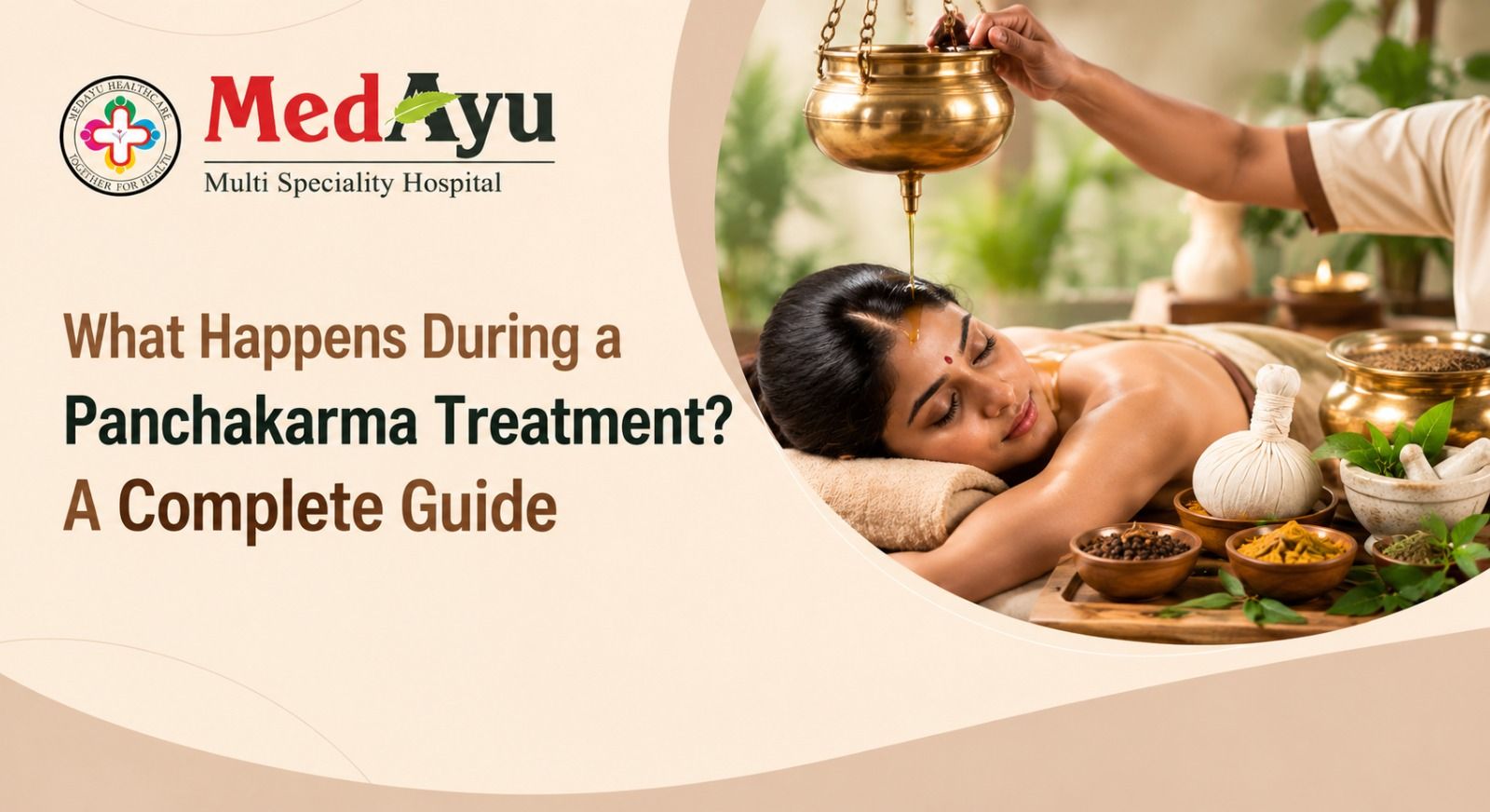
As one of the most well-known and best-understood Ayurvedic methods, it's easy to see why so many people choose it as they seek to align their mind and body. Panchakarma literally means "five actions" in Sanskrit. The five traditional Ayurvedic Panchakarma cleansing/therapeutic therapies are said to be meant mostly in supporting the body's natural cleansing processes and restoring internal harmony.
The Ayurvedic detox, as Panchakarma is called, is a much more elaborate treatment than one might think of when picturing a day at the spa or following a detox regimen. In many cases, Panchakarma treatment plan gets formulated after the assessment of a person's constitutional, health conditions age capacity of digestion, lifestyle and wellness goals of a person. It would not surprise you that to find the best Panchakarma treatment , you will need to opt for a personalized program guided by an Ayurvedic physician who is certified and qualified. Such an approach enables a treatment to cater and fit into the individual. Panchakarma sessions can vary a great deal from one client to the next and for the same client, different forms of treatment might be needed for different purposes or situations.
Understanding Panchakarma
It is Ayurveda that the physical body of a person works on the three doshas (Vata Pitta Kapha) basis. Once these doshas become imbalanced, an imbalance in overall well-being counts as a factor which leads to health issues. Panchakarma is a group of specific treatments that are said to clear the imbalances at the individual level
The therapies provided will definitely vary from person to person. First, the Ayurveda expert will examine the person thoroughly. Once, the practitioner understands the person's digestion lifestyle existing medical conditions, energy levels, and the reason behind the imbalance, they will decide on the therapies that will help the person the best.
Step 1: Initial Ayurvedic Consultation
The Panchakarma treatment typically kicks off with a thorough consultation. The practitioner will ask questions about your current health issues diet sleep, daily routine stress digestion, family history of sickness, and lifestyle in general.
In Ayurveda, it is common that the practitioner will determine your Prakriti which is the constitution of the individual, as well as the state of imbalance which is referred to as the Vikriti. This process of assessment will lead to a customized treatment plan instead of using the same therapy on everyone. Actually, the counseling session is an essential phase of Panchakarma since the practitioner, amongst other things, has to find out if the treatment is appropriate and what procedures are to be incorporated.
Step 2: Purva Karma – Preparing the Body
In Ayurvedic practice, before the main Panchakarma therapies are done, there's a recommendation to do a preparatory stage called Purva Karma.This step is meant to get the body ready for the next round of therapy sessions. Two popular preparatory measures are mentioned: Snehana which basically means internal or topical use of oily/fatty substances as directed and Swedana which usually means therapeutic sweat or hot bathing. These treatments are prescribed and given based on the individual's requirements.
Now, you may be advised to keep to a very basic diet and possibly change some routine activities. The duration of the preparation phase largely depends on the type of treatment program that you are following.
Step 3: Main Panchakarma Procedures
After completing the preparation work, the therapist will probably recommend specific Panchakarma treatments depending upon the condition of the patient.
The traditional five procedures are:
- Vamana – therapeutic emesis
- Virechana – therapeutic purgation
- Basti – medicated enema therapy
- Nasya – administration of medicines through the nasal route
- Raktamokshana – therapeutic bloodletting in specific traditional contexts
The procedure selected depends on the individual’s condition and Ayurvedic assessment. Some procedures are not appropriate for certain people, which is why professional supervision is essential.
What Happens During Vamana?
Vamana is an ancient Ayurvedic detoxification technique that, typically under supervision, is performed to gently induce vomiting. This remedy, besides being beneficial for Kapha-dominant ailments, is mainly a tool to rid the body of excess mucus in cases of aggravated Kapha.
The home-based practice of Vamana must be emphatically discouraged. The Ayurvedic therapist thoroughly assesses and decides suitability of an individual to Vamana treatment, and ensures the right preparation of the body before undergoing the procedure. Besides that, the method itself is administered in a setting equipped with monitoring facilities and a suitable post-care plan.The reason this procedure is advised to be physically exhausting is another factor that stresses the importance of being well-prepared and properly watched during the process.
Ayurvedic Therapies for Relaxation and Rejuvenation
Ayurvedic treatments have historically been linked to relaxation, regeneration, and holistic health. The Ayurvedic clinic, from the patients needs, can design a therapy plan that will relax them, calm down their inner self and at the same time, will give them a feeling of being revitalized and healthy.
Holistic care is best served when these therapies are combined with dietary and daily activity changes. The main goal of the combined treatment is to foster a way of leading one's life that will result in a healthful and fulfilling body and mind.
Supporting Mental Well-Being Naturally
Mental relaxation is one of the key components for taking care of our complete mind and body. Prolonged periods of stress, disturbed sleep, and a hectic routine can negatively impact our physical and emotional states respectively.
In traditional Ayurveda, there are several methods such as meditation practice, breathing exercises yoga relaxation therapies, and mindful daily routines, recommended to bring mental serenity. To integrate these methods into everyday life regularly can help a individual have their time for relaxation and also be more conscious of the pattern of daily life. The assistance of a expert can be very helpful in matching the practices
What Happens During Virechana?
Virechana is generally considered among the therapeutic techniques involving purgation, mostly meant for alleviating disorders connected to Pitta imbalance. Under guidance of qualified professionals, specific Ayurvedic herbs are given which will assist in natural evacuation through the bowels.
Once completion of the therapy the person may feel that their digestion is in a state where it can be easily disturbed and is so advised by the therapist to go in for foods progressively starting with the easier to digest and moving upwards. This part of the healing process is why rest and food regimen are recommended as vital components and regular check-ups.
What Happens During Basti?
Basti is one of the essential therapies of traditional Panchakarma that involves the giving of specially prescribed herbal or medicated preparations through the rectum.Ayurveda traditionally recognizes Basti as one of the major therapies for Vata-related conditions. Given the person's need, different Basti treatments may be suggested. A professionally trained staff should carry out the treatment using only standard and appropriate hygienic procedures.
What Happens During Nasya?
Nasya is a procedure where an herbal oil or some medicinal preparation, prescribed by a practitioner, is given through the nose. This therapy is a traditional remedy in Ayurveda for different problems around the head and neck areas. Sometimes, it is included in the Panchakarma treatments.
The practitioner selects the medicine, its dosage, time, and duration based on the patient's requirements. In most cases, nasya is given after proper preparation and is usually followed by recommendations about rest and care.
Understanding Raktamokshana
Raktamokshana, an ancient Ayurvedic treatment, commonly known as blood-letting or blood withdrawal therapy, is one among the five classical Panchakarma therapies. It has been traditionally used and adapted differently in various Ayurvedic texts and in different settings of healthcare and treatment.
As blood-letting can cause certain medical risks, it should be reserved for situations where it is legally and clinically acceptable and must be carried out by a properly qualified healthcare provider only. It is not meant for all patients going through a Panchakarma therapy.
Step 4: Paschat Karma – Post-Treatment Care
Although the actual part of Panchakarma is over, it is not the end of the therapy. The period following treatment is called Paschat Karma and in Ayurveda, it is given great priority.Following extensive therapies, a phase in which the food is gradually returned to the patient's regular type of diet is often necessary. In Ayurvedic system, the food is first introduced a little at a time and as and when necessary, and that way, one goes back naturally to the pre-therapy stage.
To allow the body a chance for regeneration, patients are recommended, as a principle of Ayurveda, to rest and avoid anything that would cause them a stress of their body or mind. For example, they may be told during their period of treatment to take fewer walks, not to travel much, go to bed early, and avoid heavy meals, among other things, that can overburden the body.
What Can You Expect During a Panchakarma Program?
Your experiences will greatly depend on the treatment plan you're put to follow. Some days can be just you being massaged with oil, taking herbal medicines, getting steam treated, and maybe doing some light activity. Then again, you can be doing some deep therapies during certain periods.
One of the things to remember is to have reasonable expectations. Panchakarma shouldn't be considered as an easy way to "detox" or a miracle drug to be the solution of all health problems. Based on the original purpose of Panchakarma it aims to help the person gain or regain balance per ayurvedic philosophy. People have reported diverse results of their individual experiences.
A typical program may include:
- Consultation and individualized assessment
- Preparatory therapies
- Main therapeutic procedures
- Special dietary recommendations
- Rest and lifestyle modifications
- Post-treatment dietary transition
What Should You Eat During Panchakarma?
Food is very crucial to a standard Panchakarma regimen. It is usually suggested that one should have simple, light, and easily digestible meal plan, but the specifics could change per the person's nature and also to the particular treatment he/she is undergoing.Some food items like a warm freshly cooked meal may be suggested for particular stages of treatment. The patient may be asked to limit or totally avoid very high-calorie, heavy foods and oily stuffs that are tough to handle by the digestive system, according to how the practitioner sees the situation.
Do not rely on a typical Panchakarma Diet found on some web page blindly; rather consult with a professional as different therapies and individual medical conditions have different dietary requirements.
How Long Does Panchakarma Take?
There is no fixed length for a Panchakarma treatment that suits everyone. A treatment program can vary in length from a few days under the guidance of practitioner to a several weeks, which depends on various factors like the health condition of the individual, the type of therapy the individual chooses, pre-therapy preparations, and post therapy recovery period. A competent and experienced Ayurvedic practitioner should determine the length or duration of the treatment for each individual using their health condition rather that a rigid timetabled fixed schedule.
Is Panchakarma Suitable for Everyone?
Compared to general belief, it cannot be said that Panchakarma is suitable for everyone at all times. It may even be not a good idea to give some therapies to children seniors pregnant women, people suffering from chronic or complex diseases, people who are weak and unstable from the medical point of view.Before commencing Panchakarma therapy, patients must have a conversation about their family, personal history and lifestyle with a qualified health-care provider and Ayurvedic practitioner.
Important Safety Considerations
Panchakarma is the system of five purification procedures used in Ayurvedic medicine to rid the body of toxins. But, some Panchakarma therapeutic procedures can produce profound physical effects. Inducing vomiting, laxative effects enema restriction of food intake, or dietary restriction, and the process of blood-letting, etc. may constitute some danger if done improperly or carelessly.
That's why, it is the professional's job to administer Panchakarma, you should not carry out these procedures or buy medicines for them without a doctor's permission, and the advice of an Ayurvedic expert.
Conclusion
Panchakarma should not be viewed as one Ayurvedic treatment alone, because it has always been recognized through tradition as a methodical cycle consisting of evaluation readiness chosen procedures food sleep, and care at the end of the treatment. Of most significance to Panchakarma is Truth is it can be tailored to the individual. Personal characteristics conditions level of health, and needs for healing should guide the choice of therapies, length of time, dietary recommendations and directions for recuperation.
If your aim is to go through Panchakarma first you need to find a skilled and certified Ayurvedic physician. It will Sure be better for your treatment if you learn all about the procedures through a qualified person. This will prepare you mentally and physically and help you make the right choices on your path of wellness.